
Scarborough homeowners dealing with bats in their attics or chimneys face a challenge that demands precise timing, legal compliance, and professional expertise. This guide breaks down everything you need to know about bat removal, from identifying the first signs of a bat problem to completing full attic restoration and preventing future infestations in your home.
Key Takeaways
-
Scarborough homes, especially older houses in Guildwood, Birch Cliff, and Cliffcrest, frequently experience bat infestations in attics and chimneys due to proximity to ravines, Lake Ontario, and mature tree canopies. Humane exclusion is the best method for removing bats from attics and chimneys, and professional humane bat removal is the only legal, long-term solution under Ontario law.
-
The first step for any homeowner is to stay away from the bat, avoid touching bat droppings, and call a licensed bat removal company for a detailed inspection and free quote. Do not attempt to handle or trap the animal yourself.
-
Bat droppings (guano) can make contaminated attic insulation dangerous, carrying health risks like histoplasmosis-a serious respiratory illness caused by inhaling fungal spores. Long-term infestations often require full attic restoration, including professional guano decontamination and insulation replacement.
-
Effective bat removal relies on sealing entry points and installing one way doors rather than trapping or poisoning. Ontario bats are protected under the Fish and Wildlife Conservation Act, and exclusion must follow the province’s rules on maternity season to avoid harming flightless pups.
-
Emergency wildlife removal is available for single bats flying in living spaces or entering through high-traffic chimneys, but colony removal from attics is a planned, multi-visit removal process that cannot be rushed.
Understanding Bat Problems in Scarborough Homes
Scarborough’s geography creates ideal conditions for bat activity. Neighbourhoods like Rouge, Agincourt, and Woburn sit alongside deep ravines, Lake Ontario’s shoreline, and dense mature tree canopies that provide abundant foraging habitat. Bats tend to follow these natural flight corridors at dusk and dawn, and when they encounter gaps in nearby residential structures, they move in. The result is that bat infestations in Scarborough attics and chimneys are remarkably common, particularly in older housing stock.
The two wildlife species most frequently found roosting in Scarborough roof spaces are little brown bats and big brown bats. Both species favour dark spaces such as roof voids, soffit gaps, and brick chimneys on homes built during the 1960s through 1980s. Brown bats are colonial roosters-where you find one, you often find dozens.
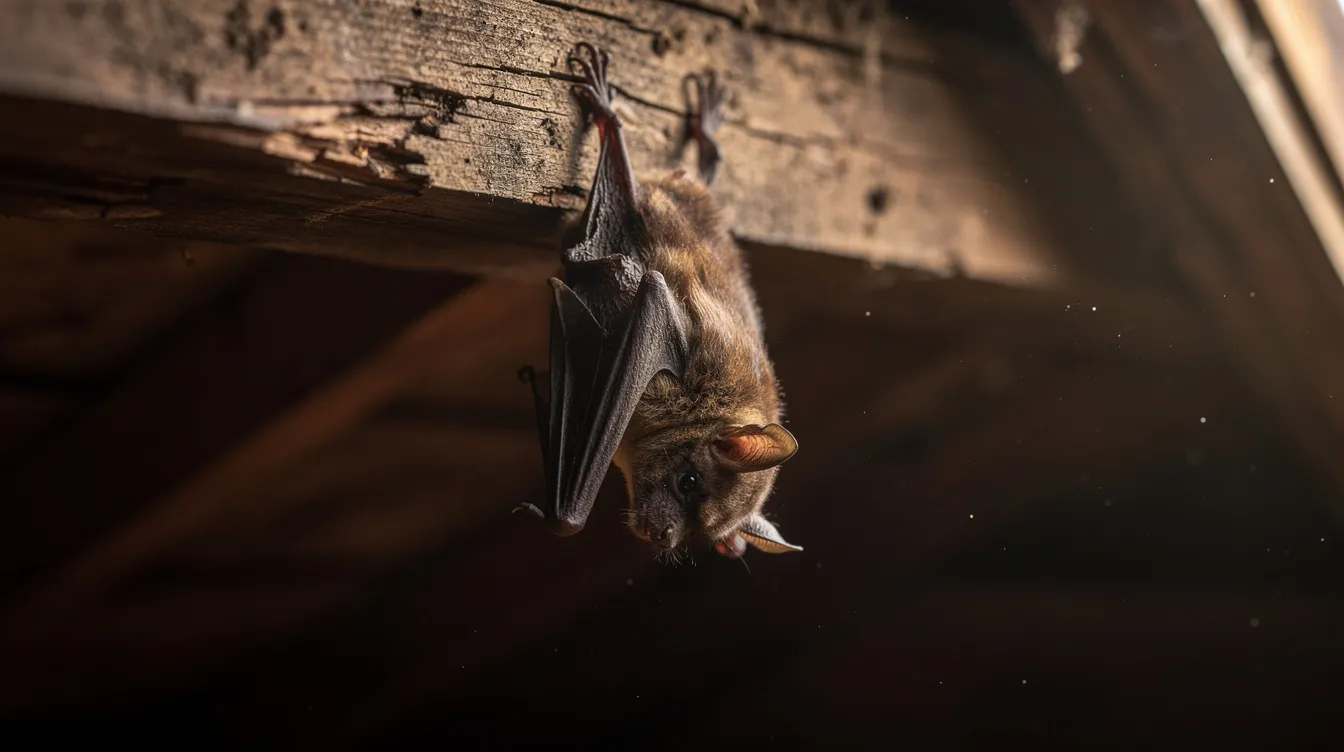
Typical homeowner signs include scratching or fluttering sounds at dusk and dawn, strong ammonia-like odours from bat urine, piles of bat droppings on insulation or chimney smoke shelves, and oily grease stains near roofline gaps. Bats are protected wildlife in Ontario and cannot be harmed. Lethal control or trapping of bats is illegal and discouraged under provincial regulations. Killing, poisoning, or improperly relocating bats can lead to significant fines, making professional wildlife removal services the only compliant path forward for Toronto homeowners and Scarborough homeowners alike.
Why You Should Not DIY Bat Removal
YouTube-style diy bat removal methods are dangerous, frequently illegal in Ontario, and almost always fail to get rid of bats permanently. Attempting to safely remove bats without professional training typically creates worse problems.
Common DIY mistakes include:
-
Sealing holes while bats are still inside, trapping them in wall cavities where they die and decompose
-
Using expanding foam during maternity season, stranding flightless pups
-
Lighting fires in chimneys to “smoke out” bats, which can push panicked animals into living areas and create fire and health hazards
Direct bat contact poses health risks because bats can carry rabies and histoplasmosis. Disturbing guano without respirators can aerosolize fungal spores that contaminate your HVAC system and spread through bedrooms. Untrained homeowners often miss secondary entry points in soffits, vents, and roof wall junctions, causing bats to find new routes into basements after partial sealing. Professional wildlife removal technicians carry proper safety gear, understand Scarborough building types, and operate within Ontario’s wildlife rules-making professional bat removal the safest and most effective option.
Bat Entry Points in Scarborough Attics and Chimneys
Bats can squeeze through openings as small as 9.5 mm to 16 mm-roughly the width of a finger. Scarborough’s freeze-thaw cycles and lake-effect weather widen tiny cracks in masonry and roofing materials over time, creating new entry points each season. Bats can enter through openings as small as 1.5 cm, which means virtually any structural gap is a potential doorway.
Typical attic entry points on Scarborough homes include:
-
Gaps along the roof-to-brick junction on bungalows
-
Warped aluminum soffits and soffit gaps on mid-century semis
-
Unprotected roof vents and gable vents
-
Loose fascia boards and cable or utility penetrations
Common chimney issues in Cliffcrest and Birch Cliff include uncapped masonry chimneys, deteriorated mortar joints, missing spark arrestors, and gaps around metal chimney flashing. In older Guildwood homes, bats frequently enter through gable vents or between layered brick on mid-century semi-detached houses.
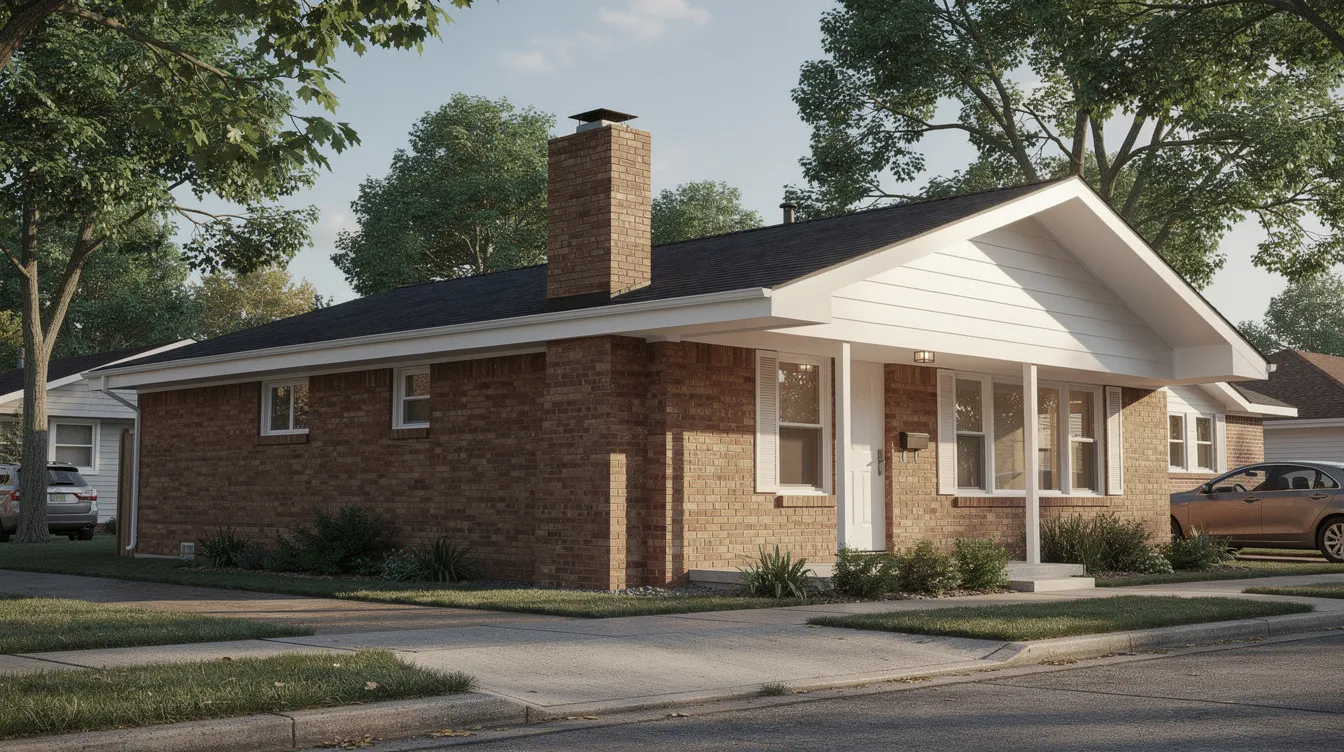
A thorough inspection by a professional involves exterior roofline checks, an attic interior assessment for roost evidence and guano, and evening dusk-watch monitoring to map all active entry points. You must seal all secondary openings to prevent bats from relocating within the house during exclusion work. Screens on attic vents stop bats from roosting inside and are a critical part of any exclusion techniques strategy.
The Bat Removal Process (Attics & Chimneys)
Professional bat removal services should focus on humane methods rather than extermination. The removal service follows a structured sequence: inspection, planning, humane exclusion, permanent sealing, cleanup, and follow-up. Professional bat removal services are tailored to specific needs, whether addressing toronto attics or Scarborough chimneys.
An initial site visit typically happens within 24–48 hours, with the technician confirming species, colony size, roost locations, and whether pups are present. For attic exclusion, technicians install one way exclusion valves over primary entry points, leaving them in place for one to two weeks so bats leave at night but cannot re-enter. One-way exclusion devices allow bats to exit but not re-enter. The exclusion process should allow bats to leave before sealing entry points permanently with stainless steel mesh, galvanized flashing, and commercial-grade sealants.
Chimney-specific work involves fitting screened chimney caps, installing temporary one-way devices at the flue opening, and blocking unused flues while preserving proper ventilation and fire safety standards. Technicians also install one way valves where chimney flashing meets masonry.
Do not attempt exclusion work during June and July due to maternity season. Ontario’s provincial guidelines restrict exclusion during the peak pup season-typically late May through late August-when baby bats cannot fly. Ideal times for bat exclusion are early spring or late summer into fall, aligning with permitted exclusion windows established by the province.
Professional wildlife removal companies provide written reports, photos of entry points, and a clear estimate of attic cost for sealing and cleanup after inspection, helping homeowners understand the full scope of the attic quote bat removal process.
Health Risks: Bat Droppings and Contaminated Attic Insulation
When bats roost above bedrooms or near HVAC intakes, is contaminated attic insulation dangerous? Absolutely. Accumulated bat guano can harbor spores causing histoplasmosis and strong odors that permeate living spaces below. Public Health Ontario estimates approximately 245 healthcare episodes per year in the province attributable to Histoplasma infections, many linked to environmental exposures including bat guano.
Bat droppings appear as small, dark, crumbly pellets that crush into fine powder. They accumulate below roost lines, around chimney bases, and on attic joists. Bat droppings can cause respiratory illnesses like histoplasmosis when spores are inhaled. Disturbing bat guano can release harmful fungal spores into your home’s air circulation.
Additional health hazards include:
-
Rabies exposure from direct bat contact
-
Secondary pest infestations-mites and insects that thrive in guano and reduce local insect populations balance
-
Allergens that exacerbate asthma and respiratory conditions
Vacuuming guano with a household shop-vac or sweeping without protective gear spreads spores throughout the house. Bats can cause structural damage over time due to their waste, and bat waste can damage insulation and wood in homes, making professional cleanup essential. A hepa vacuum contaminated insulation protocol, followed by commercial-grade disinfection, is the only safe approach.
Attic Restoration After Bat Removal: What Homeowners Should Expect
Bat removal is only the first step. Full attic restoration means removing soiled blown-in insulation, bagging and disposing of it under biohazard standards, HEPA vacuuming all guano residue, and applying commercial-grade disinfectant and odour neutralizer. In severe cases, large bat colonies leave guano accumulations several inches deep, saturating insulation and reducing its R-value dramatically. This can contaminate insulation beyond salvage.
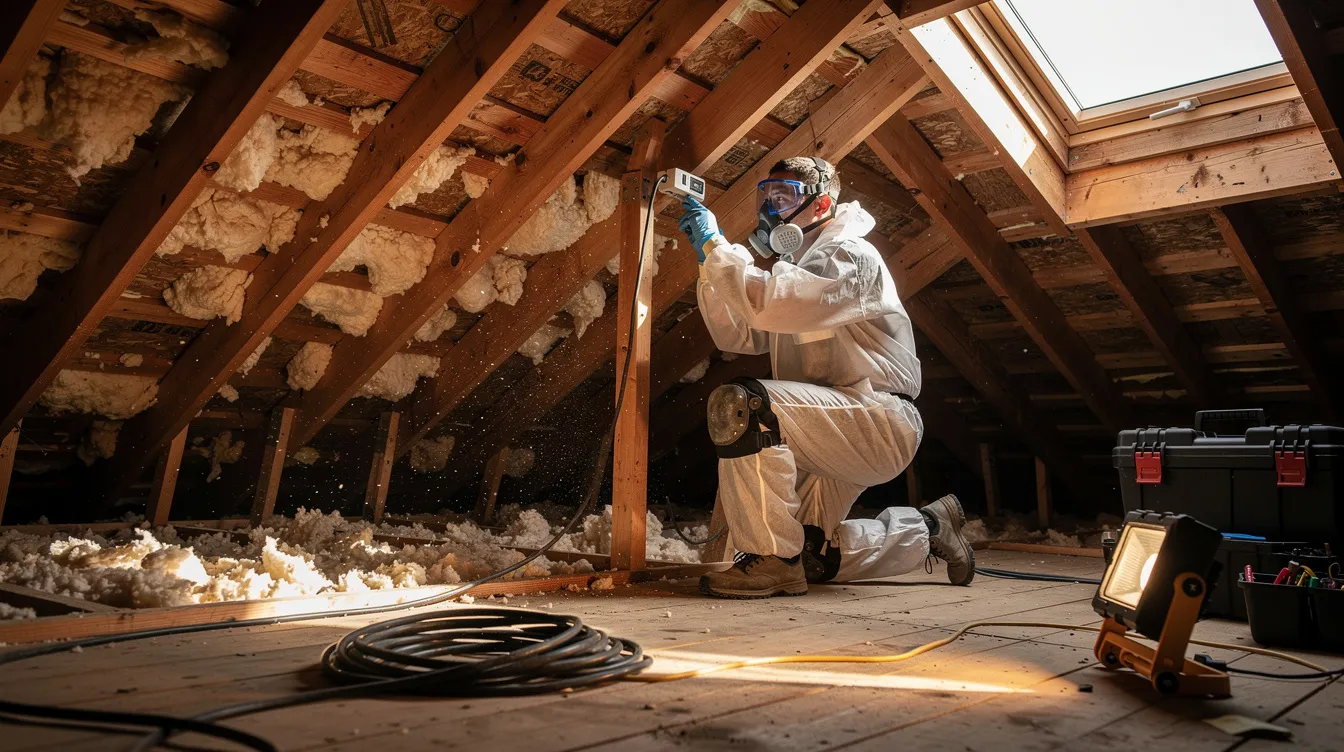
Technicians inspect for urine staining on drywall, chewed vapor barrier material, rusted metal around chimneys, and moisture damage linked to long-term roosting. Some bats chew wiring insulation, creating additional fire hazards. Costs vary based on colony size and cleanup needs, with key factors including attic square footage, insulation depth and type, accessibility of low-pitch roofs common in 1970s Scarborough homes, and duration of the infestation. Upgraded insulation after cleanup can restore heating performance and lower energy bills, partially offsetting the overall attic restoration cost. Many companies offer bundled pricing for exclusion, cleanup, and re-insulation, and some assist with insurance documentation. A customized treatment plan ensures nothing is missing fully covered.
Emergency Wildlife Removal vs. Planned Bat Exclusion
Emergency wildlife removal handles single bats in living rooms or bedrooms at 11:00 p.m., while planned bat exclusion addresses established colonies over several visits. During an emergency in Scarborough, close interior doors, confine pets and children, open a window in the affected room if safe, and call a 24/7 wildlife removal service.
Even after a single bat is captured, a follow-up attic and roof inspection is recommended to check for a larger colony. Colony exclusion is never rushed-professionals schedule around weather, maternity season, and adequate time for all bats to exit via one way doors. Reputable companies provide a clear written plan, projected timeline, and free quote so scarborough homeowners know what to expect financially. This distinction helps clear toronto attics faster than reactive, piecemeal approaches.
How to Keep Bats Out for Good: Long-Term Prevention Tips
The best bat removal is the one you never need again. Sealing entry points prevents future infestations when combined with routine structural maintenance.
Key prevention measures for Scarborough homes:
-
Annual roofline and chimney inspections before peak bat season, focusing on caulking gaps, securing soffits, and screening gable vents
-
Installing certified chimney caps and reinforcing flashing on older masonry stacks common in lakeside neighbourhoods
-
Trimming overhanging tree branches that give bats easy flight paths to rooflines
-
Checking where utility lines meet the house for small gaps
-
Netting can effectively block bats from re-entering a property at vulnerable junction points
Some GTA homeowners install bat houses at the back of their properties to provide alternative roost habitat, supporting local bat conservation while keeping bats away from roof spaces. Alongside bat-proofing, consider rodent proofing measures like screening foundation vents and securing crawlspace access, since the same gaps that admit bats often attract rodents. Schedule periodic follow-up inspections to verify previous entry points remain sealed and that no new vulnerabilities have developed. Prevention efforts also help prevent future infestations of other wildlife species, complementing raccoon removal and general pest management.
Choosing the Right Bat Removal Services in Scarborough
Not all pest control companies specialize in bats. Look for fully insured, licensed wildlife control operators experienced with humane bat removal and bat exclusion in Scarborough neighbourhoods. The best bat removal providers use humane removal methods-one-way door systems and permanent sealing-rather than trapping or poisoning. Humane wildlife removal and humane exclusion should be central to any provider’s approach.
Ask specific questions before hiring:
-
How do they find and document entry points?
-
What materials do they use for sealing?
-
Do they offer bat removal services that include attic restoration and guano decontamination?
-
How long does their lifetime workmanship warranty or lifetime exclusion warranty last?
Inspection fees for bat removal start at $85, and inspection fees are often waived if removal services are chosen. Trustworthy providers offer transparent pricing, a detailed free quote, photo documentation, and clear guidance on Ontario regulations. Companies that offer bat removal alongside emergency wildlife removal and scheduled colony exclusion for gta bat removal and gta attic work provide the most comprehensive coverage. Confirm recent local reviews from Scarborough clients and verify the company serves north york and surrounding areas for broader service reliability. Humane removal through humane methods is the only approach that complies with ontario law.
Frequently Asked Questions About Bat Removal in Scarborough
Can bats in my attic affect my home insurance in Scarborough?
Some home insurance policies in Ontario exclude gradual damage from wildlife but may cover sudden, specific incidents. Coverage for attic restoration due to bat droppings varies between insurers. Contact your insurance provider with inspection reports and photos from your bat removal company to determine if cleanup or insulation replacement qualifies for reimbursement.
Is it legal to remove bats from my chimney in summer?
Ontario regulations protect maternity colonies. Exclusion from chimneys and attics is restricted during peak pup season-typically late May through late August-when young bats cannot fly. A qualified wildlife control company will schedule full exclusions outside this window but may still offer limited emergency solutions to keep bats out of living spaces during restricted periods.
How long does bat removal from an attic usually take?
Simple cases with small colonies and easy access can be resolved in two to three visits over one to two weeks. Larger, long-standing bat infestations in complex Scarborough roofs can take several weeks and multiple follow-ups. Weather, building height, and the need for attic restoration can add time, and homeowners should expect a customized timeline in their service plan.
Will I need to move out during attic bat removal and cleanup?
Most scarborough homeowners can stay in the home during exclusion and sealing, as work is primarily at the roofline and in the attic. During heavy guano removal or full attic restoration, some families choose to be out for a day while HEPA vacuums and disinfectants are in use, especially if household members have respiratory issues. Professionals remove bats and complete cleanup with minimal disruption to daily routines.
What time of year is best to bat-proof my Scarborough home?
Early spring and early fall are ideal for bat-proofing and exclusion in Scarborough-before maternity season peaks and before winter hibernation sites are chosen. Proactive inspections and sealing in March through April or September through October greatly reduce the odds of bats entering attics or chimneys. Waiting until scratching and droppings appear means damage and attic cost have already escalated.
Heard something last night?
Call us now — same-day inspections available in most areas.