
Thornhill’s mature tree canopy, ravine systems, and aging residential housing stock create ideal conditions for bat colonies to establish roosts in attics, chimneys, and wall voids. Understanding the structural vulnerabilities these wild animals exploit-and the legal framework governing their removal in Ontario-is essential for any home and business owners facing an active intrusion.
Key Takeaways
-
Bat removal in Thornhill requires professional, humane exclusion rather than DIY sealing or trapping, which is both illegal and ineffective in Ontario.
-
Local bat colonies exploit gaps as small as 16 mm along rooflines, soffits, vents, and chimneys, particularly from April through October in Thornhill, Richmond Hill, and surrounding service areas.
-
Serious health risks include rabies exposure, histoplasmosis from guano accumulation, and insulation degradation requiring biohazard-level cleanup with HEPA filtration and full PPE.
-
The professional process involves inspection, one-way exclusion devices, permanent sealing of all entry points, and thorough guano cleanup.
-
Contact specialized humane bat removal professionals in Thornhill for a safe and effective resolution that protects both your property and protected wildlife.
Why Bats Are Moving Into Thornhill Homes
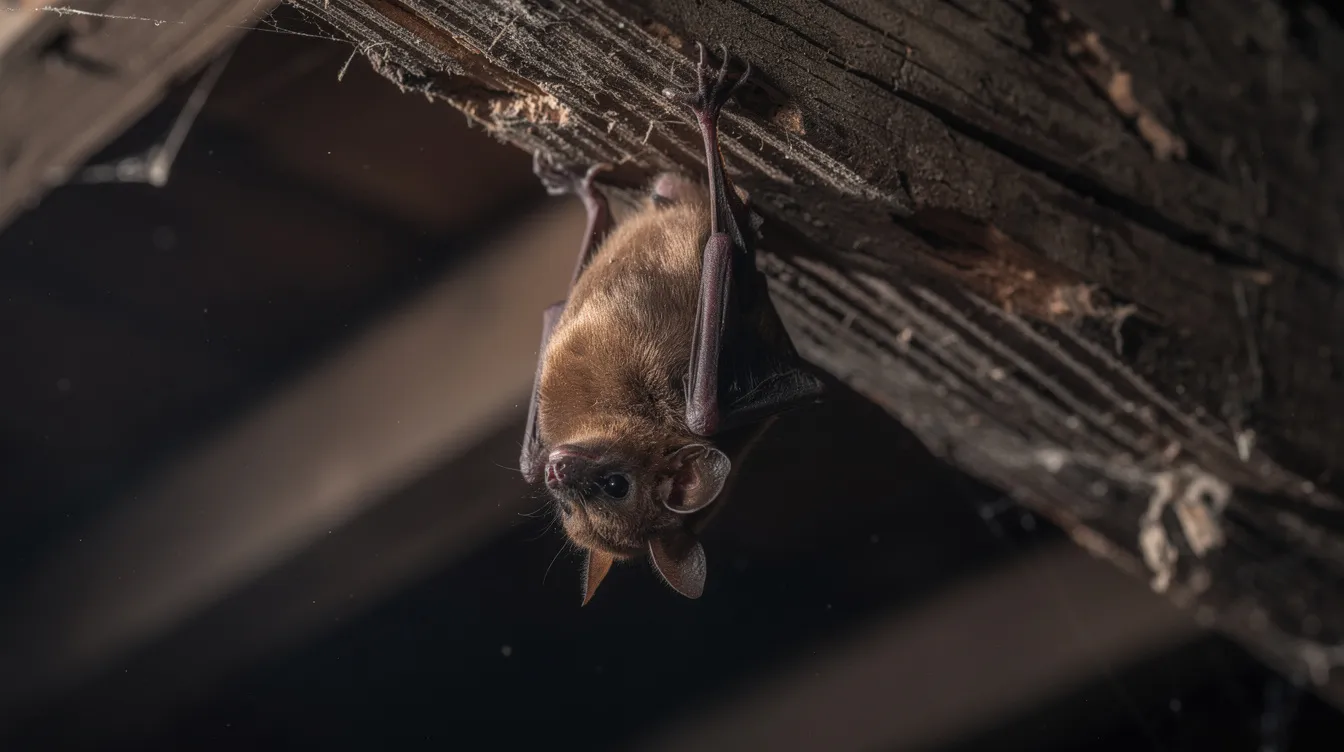
Urban development across Thornhill, Richmond Hill, and the broader york region has steadily reduced natural roosting habitat, pushing urban wildlife into residential structures. The two species most commonly encountered are the big brown bat and the little brown bat, both of which form maternity colonies in attic spaces and chimney flues during late spring and summer. Bats are protected in many regions, requiring specialized removal-not extermination.
Brick and stucco homes built between the 1960s and 2000s are especially vulnerable. Construction gaps along rooflines, deteriorated mortar, and warped fascia boards provide access to warm, enclosed voids that mimic natural roosts. A single bat appearing in a living room at night often signals a broader colony roosting unseen above insulation, a situation that demands professional wildlife removal services rather than simply guiding one animal out a window.
Common Entry Points and Structural Vulnerabilities
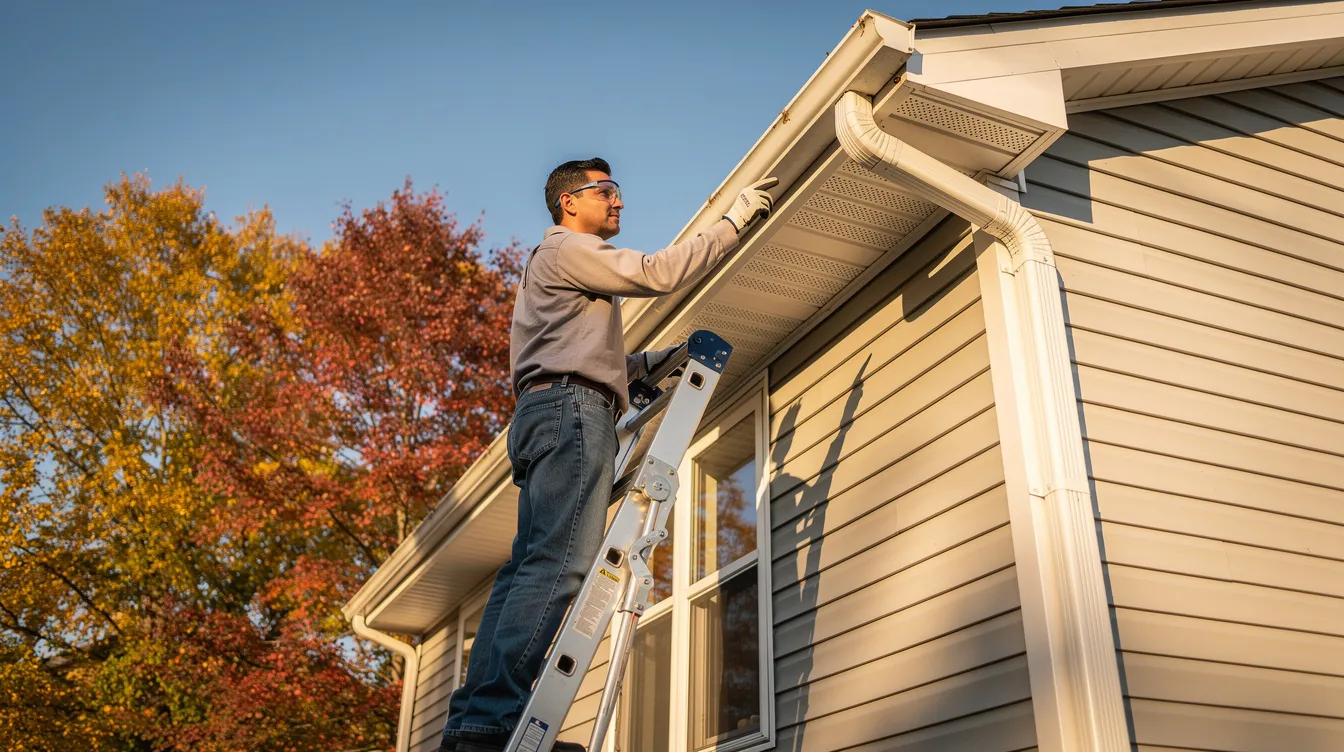
Successful bat removal in Thornhill begins with meticulous exterior and attic inspection to map every active and potential entry point. Bats can enter through very small openings, so sealing needs to be thorough across the entire house.
Typical structural weak spots include:
| Vulnerability | Location | Common Issue |
|---|---|---|
| Soffit-to-brick transitions | Eaves and roofline | Gaps from settling or warping |
| Ridge and hip vents | Roof peak | Missing or damaged screening |
| Chimney openings | Chimney crown and flashing | Uncapped masonry, deteriorated mortar |
| Mechanical vents | Roof and sidewall | Dryer, bathroom, and gable vents with inadequate screens |
| Dormers and intersections | Complex rooflines | Construction gaps at roof plane junctions |
Inspection of potential entry points is essential to prevent bat infestations. Notably, the same access points that bats exploit often allow raccoons, squirrels, and even birds into attics. Raccoons can cause significant structural damage and fire hazards through chewing wires, making comprehensive wildlife proofing and pest removal services far more cost-effective than addressing each species separately.
How to Tell if You Have Bats in the Attic or Chimney
Homeowners in Thornhill often notice only subtle clues at first. Early detection can significantly reduce cleanup and repair costs, so recognizing these indicators matters.
-
Sound cues: High-pitched chirping, scratching sounds, or fluttering behind walls and ceilings, intensifying at dusk and just before dawn as bats exit and return.
-
Exterior visual signs: Dark, greasy staining near small gaps along rooflines and chimneys; accumulations of droppings on ledges, decks, or walkways beneath roof peaks.
-
Guano identification: Bat droppings are crumbly, shiny with insect fragments, and distinct from mouse or rat droppings. They should never be swept or vacuumed without proper protection.
-
Interior indicators: A bat appearing in a bedroom at night, musty or ammonia-like odours from the attic, or ceiling staining from long-term urine seepage.
Bats should not be handled directly due to rabies risks. Rather than entering tight attic spaces or attempting capture bare-handed, contact humane removal specialists as soon as any of these signs appear to arrange proper pest control services.
Bat Removal Process in Thornhill
Qualified wildlife control teams in Thornhill follow a structured, non-lethal eviction and exclusion protocol. Humane methods are essential for effective bat removal, and every step is designed to protect both humans and the animal population.
The process unfolds in distinct phases:
-
Inspection: Technicians locate entry points where bats enter structures through exterior roofline and chimney assessment, attic inspection for guano and staining, light-leak detection, and species and colony-size identification.
-
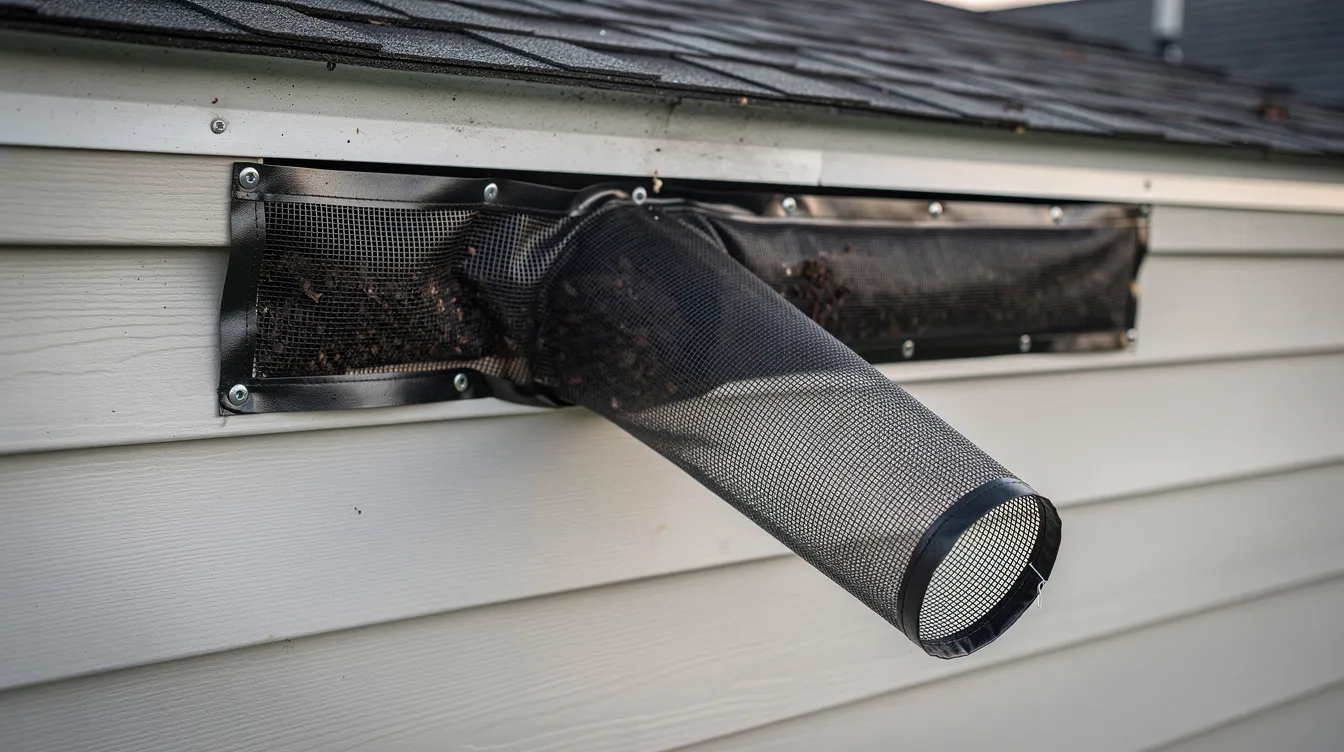
Exclusion device installation: Professionals install one-way exclusion doors over active entry points, allowing bats to exit at dusk but preventing re-entry. Secondary gaps remain temporarily open for safe evacuation.
-
Timing compliance: Exclusion is scheduled outside critical maternity periods and in compliance with Ontario wildlife control services regulations to avoid trapping flightless pups inside the structure.
-
Permanent sealing: After confirming all bats have vacated, technicians remove one-way doors and permanently seal every gap. Entry gaps should be sealed with durable materials once bats have exited-typically 16-gauge galvanized steel screening, metal flashing, and high-grade exterior sealants.
Reputable wildlife removal companies coordinate bat removal with other removal services such as raccoon removal, squirrel removal, and skunk removal to deal with all active wildlife issues during the same visit. Raccoon removal services include thorough inspections for entry points, and skunk removal focuses on humane extraction and exclusion methods-ensuring a complete effective resolution for the property.
Health Risks, Guano Cleanup, and Biohazard Sanitation
Bats are beneficial nuisance animals-a single colony consumes thousands of insects nightly-but their droppings and close contact pose serious health risks requiring professional-level sanitation.
Primary health concerns:
-
Rabies: Approximately 95% of rabies-positive bats in Ontario are big brown bats. Even apparently healthy bats may carry the virus.
-
Histoplasmosis: Bat droppings can foster fungal growth and strong odors in attics. Accumulated bat guano must be removed to mitigate health risks, as inhaled spores cause respiratory illness.
-
Secondary pests: Bat bugs, mites, and beetles often accompany colonies, compounding the pest control challenge.
Cleanup after bat removal is important to ensure safety and hygiene. Guano and contaminated materials require removal as biohazard waste using full PPE (N95+ respirators, gloves, coveralls), HEPA-filter vacuums, and containment barriers to prevent spore migration through HVAC systems. Improper DIY cleanup-sweeping, home vacuums, or regular trash disposal-can aerosolize spores and contaminate living spaces.
Wildlife droppings from other pests also demand similar protocols: raccoon droppings may carry parasites and diseases like leptospirosis, raccoon roundworm eggs can survive in attics posing health risks, skunk bites can transmit rabies and other viruses, and skunk spray can cause severe respiratory issues and eye irritation. Comprehensive wildlife removal services address all of these hazards.
Seasonal and Legal Considerations for Bat Control in Ontario
In Thornhill and the greater toronto area, bat removal must follow provincial wildlife protection regulations and respect seasonal behaviour patterns.
-
Spring (April–May): Colony formation and migration; inspection and planning phase.
-
Summer (May–early August): Maternity season-pups are flightless. Sealing entry points is ineffective during the maternity season when young bats cannot fly, and exclusion should be timed to avoid trapping young bats during the summer.
-
Late summer–fall (mid-August–October): Optimal exclusion window; pups can fly, bats remain active.
-
Winter months (November–March): Hibernation; active exclusion inappropriate for occupied roosts.
Native bat species in Ontario are protected under the Fish and Wildlife Conservation Act, with fines up to $25,000 for individuals who harm or improperly rid structures of bats. Trapping is not an appropriate solution for bat control in Ontario, and lethal control of bats is discouraged-humane exclusion is standard practice. Humane wildlife removal is essential to comply with local regulations, and avoid trapping or killing bats as it is illegal and ineffective. Homeowners should consult certified wildlife control professionals who understand current rules and best timing windows for bat removal specific to Thornhill and surrounding municipalities.
Prevention, Repairs, and Long-Term Wildlife Proofing
Successful bat removal ends with long term protection through structural repairs and ongoing monitoring. Wildlife removal services often include preventive measures against future intrusions, and squirrel removal involves sealing entryways to prevent re entry-the same principle applies across all species.
Seasonal maintenance checklist for Thornhill homeowners:
-
Spring and fall roofline inspections for new gaps or storm damage
-
Verify attic vents, dryer vents, and gable vents retain intact heavy-gauge screens
-
Trim tree branches at least two metres from the roof to reduce wildlife access
-
Monitor for fresh staining, droppings, or odours near chimneys and soffits
-
Consider installing barriers such as bat boxes on the property to provide alternative roosting habitat
Comprehensive wildlife-proofing through installing barriers and reinforcing vulnerable intersections helps prevent raccoons, squirrels, birds, and skunks from exploiting the same access points, reducing the need for future emergency pest removal services. Periodic professional inspections-especially after major storms, roof work, or renovations-identify and repair new vulnerabilities before various animals can exploit them.
When to Call Bat Removal and Pest Control Services
There is a critical difference between safely guiding a single bat out of an open room and addressing an established attic or chimney colony. Municipal animal services do not handle wildlife inside private attics-specialized private humane wildlife removal companies service bat intrusions in Thornhill and the surrounding area.
Call a professional immediately if you notice:
-
Repeated bat sightings indoors or at dusk near your roof
-
Visible guano deposits outside or in the attic
-
Strong odours from above ceilings
-
Persistent scratching sounds and chirping at dusk and dawn
DIY exclusion carries real risk: accidentally sealing bats inside walls, increasing exposure to bites, or pushing bats into living spaces and neighbouring units. Professional services ensure compliance with wildlife protection regulations and deliver expert advice alongside transparent pricing. A reputable Thornhill provider will offer a prompt inspection, written findings, and a clear plan for humane removal, sealing, and cleanup. Many established companies also provide raccoon removal, squirrel removal, skunk removal, and broader pest control across Thornhill, Richmond Hill, and nearby GTA communities to address all wildlife removal needs. For any pet owner in the house, professional intervention eliminates the risk of direct animal contact entirely.
As a home or business owner, the safest path to a bat-free, fully sanitized property runs through certified wildlife control professionals who understand Thornhill’s unique construction, seasonal patterns, and regulatory landscape. Contact a licensed provider to schedule an inspection-proactive action today prevents significant damage, costly remediation, and unnecessary risk to your household.
FAQs About Bat Removal in Thornhill
Can I remove bats from my attic myself if I find their entry point?
While a homeowner can sometimes help a single bat exit a living room safely, sealing entry points or installing exclusion devices without professional training often traps bats inside. This leads to dead animals in walls, stronger odours, and potential health hazards. Older Thornhill homes with complex rooflines typically have multiple hidden gaps that must be identified and addressed in the correct sequence by trained technicians.
How long does bat removal from an attic usually take?
Typical projects involve one detailed inspection visit and installation of one-way exclusion devices, followed by a monitoring period of approximately 3–10 nights to confirm the colony has fully exited. Final sealing, guano cleanup, and any insulation replacement are usually completed in an additional visit. Timelines may extend during peak maternity season when extra care is legally and ethically required.
Will bat removal damage my roof or chimney?
Skilled wildlife control technicians work with existing structures, using small, targeted exterior-mounted devices to avoid unnecessary damage. Many repairs actually strengthen vulnerable areas of the roofline or chimney with higher-grade materials than the original construction, improving long term durability and helping protect against future wildlife intrusions.
Do bat removal services include repairs and cleanup, or is that separate?
Most qualified wildlife control companies in Thornhill offer complete effective solutions: inspection, identifying entry points, humane practices, sealing entry points, and biohazard cleanup, with insulation replacement and structural restoration available as add-ons. Always request a detailed written quote breaking out removal, exclusion work, sanitation, and any restoration so you understand exactly what the service covers.
Are bats more active in certain Thornhill/Richmond Hill neighbourhoods or building types?
Areas with mature trees, ravines, and older housing stock featuring complex rooflines-common across parts of Thornhill and neighbouring Richmond Hill-tend to see higher bat activity. Owners of larger multi-storey homes, older brick houses, and properties near greenbelts should be especially proactive with regular roofline and attic inspections, ideally scheduling professional assistance each spring and fall.
Heard something last night?
Call us now — same-day inspections available in most areas.