
Understanding Wildlife Around Your Home
Wildlife encounters are a common reality for homeowners across Canada. From raccoons rummaging through garbage bins to squirrels nesting in attics, wild animals can cause significant damage and pose health risks if left unchecked. Understanding the behaviours of common wildlife species is the first step toward protecting your home and family.
Urban expansion has pushed wildlife closer to residential areas than ever before. Animals like raccoons, squirrels, skunks, and opossums have adapted remarkably well to suburban environments, learning to exploit the food, shelter, and water sources that homes inadvertently provide. The good news is that with the right knowledge and preventative measures, you can significantly reduce the likelihood of wildlife moving in.
Prevention: Your First Line of Defence
The most effective wildlife control strategy is prevention. By eliminating the attractants that draw animals to your property, you can avoid the need for removal altogether. Here are the most impactful preventative measures every homeowner should implement:
- Secure your garbage bins. Use bins with locking lids and store them in a garage or shed until collection day. Raccoons and skunks are primarily motivated by food, and an unsecured bin is an open invitation.
- Remove outdoor food sources. Bird feeders, pet food left outside, and fallen fruit from trees are all significant attractants. If you have fruit trees, collect fallen fruit regularly.
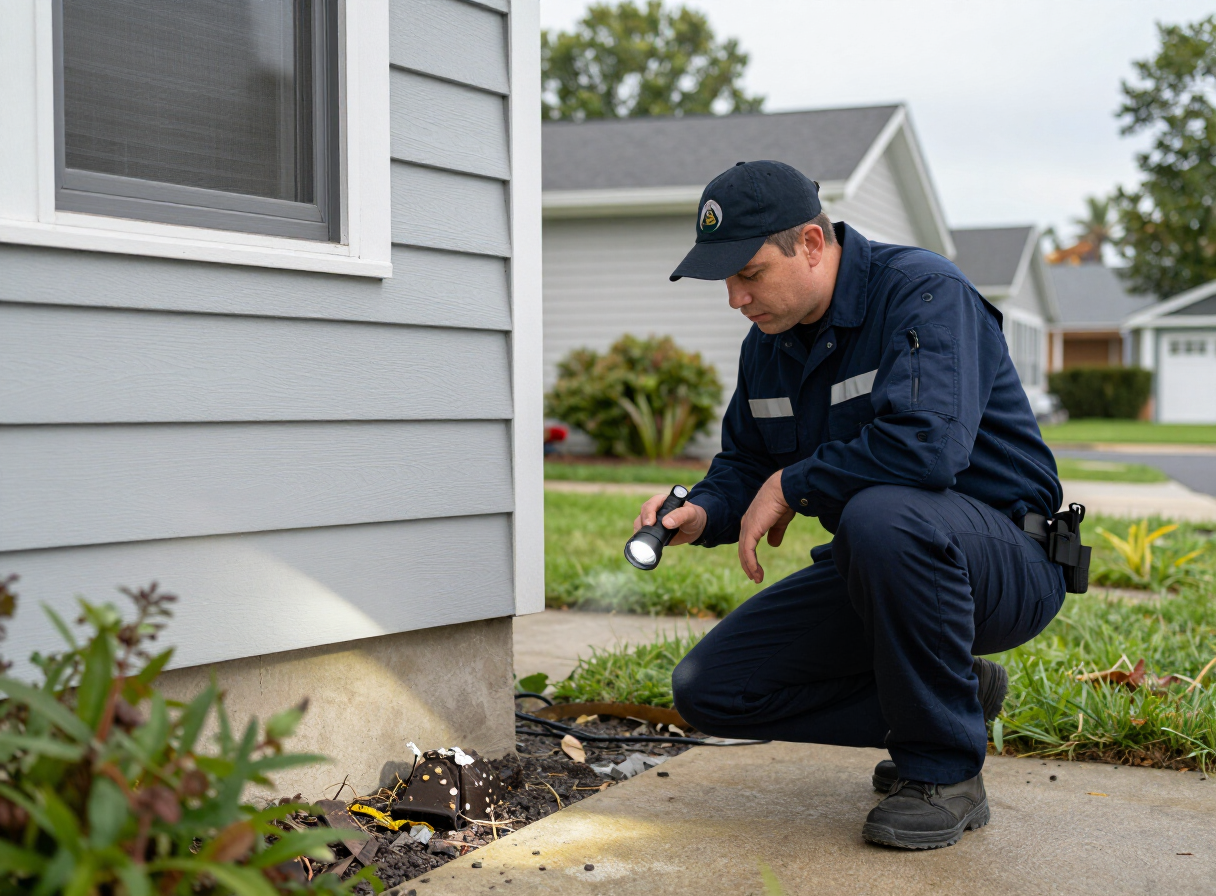
- Seal entry points. Inspect your home's exterior for gaps, cracks, and openings larger than a quarter. Pay special attention to roof soffits, fascia boards, vents, and the area where utilities enter the building.
- Maintain your yard. Overgrown vegetation provides ideal cover and denning habitat. Keep grass trimmed, remove brush piles, and trim tree branches that overhang or touch your roof.
- Install chimney caps and vent covers. Open chimneys are a favourite nesting site for raccoons and birds. A properly fitted chimney cap eliminates this risk entirely.
Common Wildlife Issues and What to Watch For
Even with preventative measures in place, wildlife can still find their way onto your property. Knowing what signs to look for allows you to address problems early — before minor nuisances become major infestations.
Raccoons
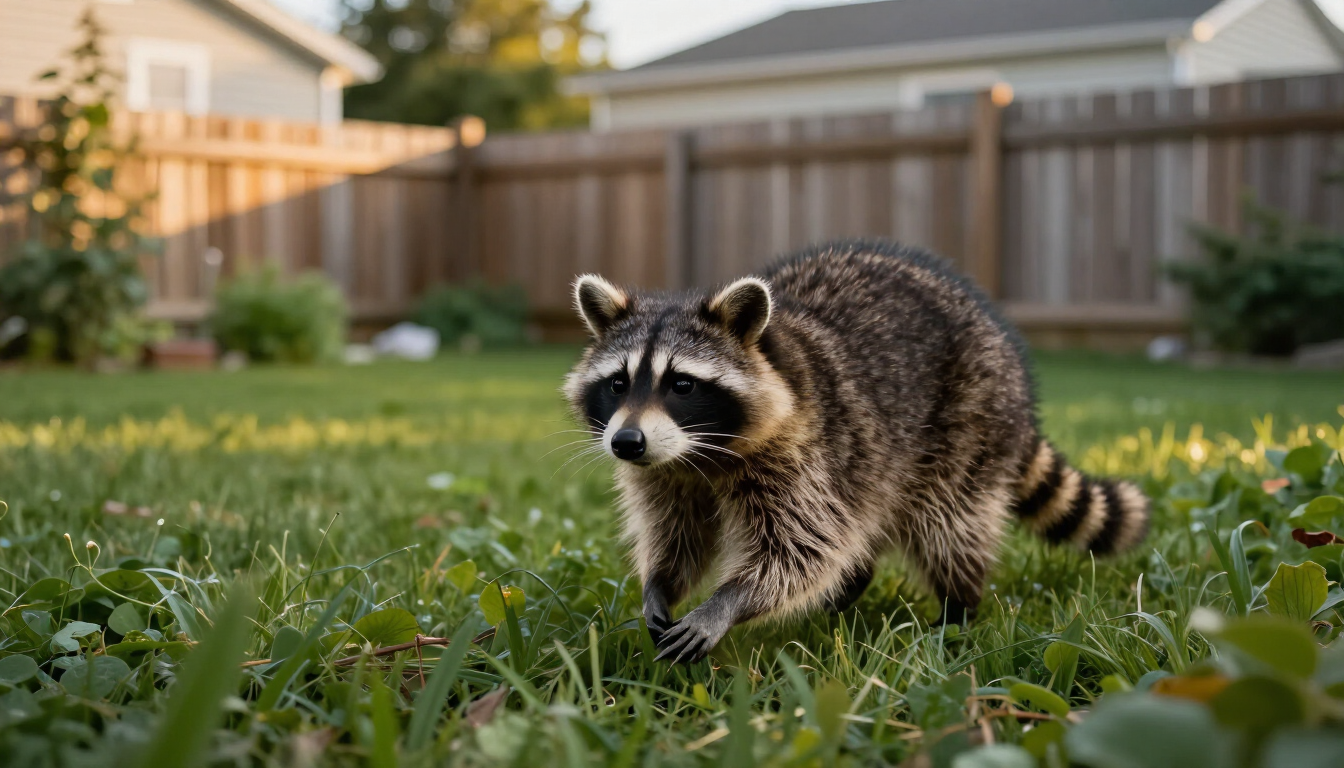
Raccoons are intelligent, dexterous animals capable of opening latches and prying back loose soffit panels. Signs of raccoon activity include tipped-over bins, disturbed gardens, muddy paw prints, and damage to roof structures. In the spring, mother raccoons frequently seek out warm, dark spaces like attics or crawlspaces to raise their young. If you hear heavy thumping or chattering sounds from your attic, a raccoon family is a likely culprit.
Squirrels
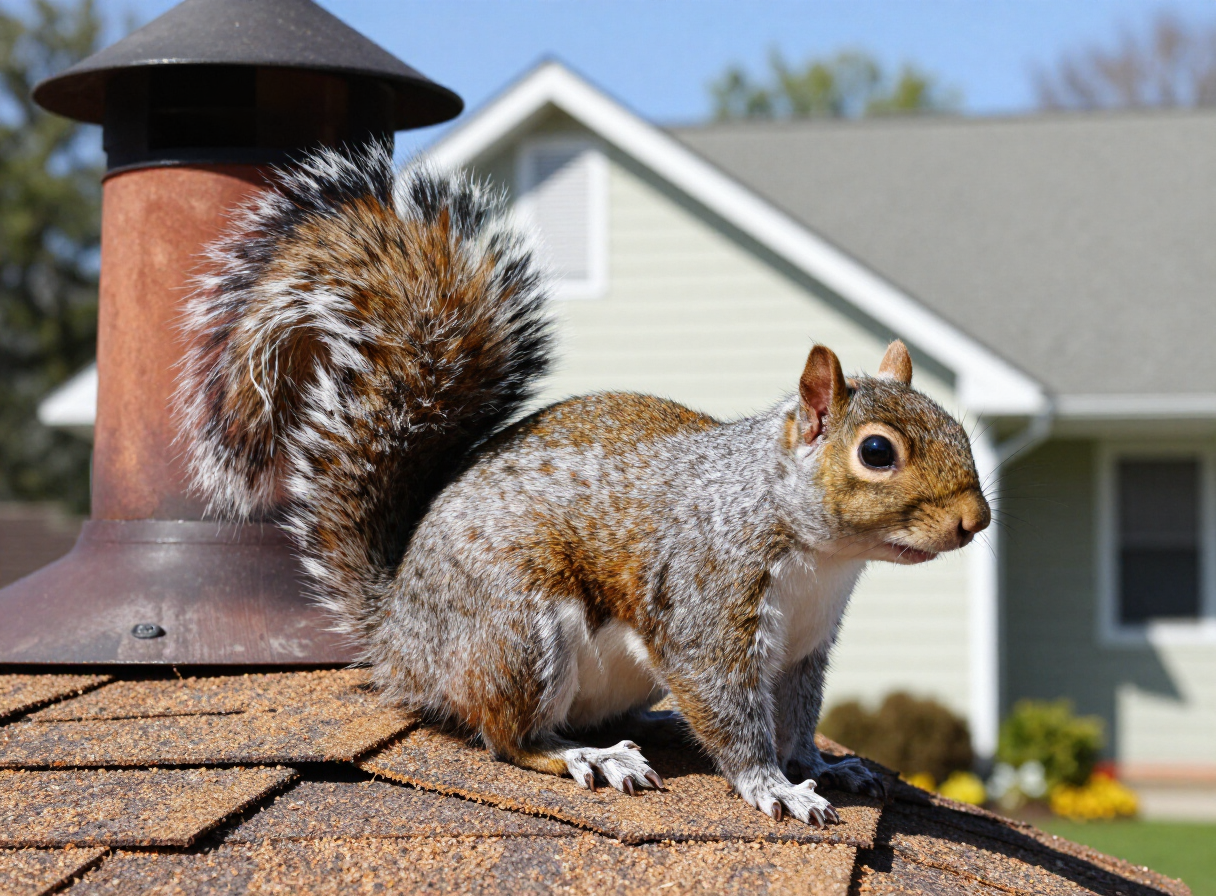
Grey squirrels are prolific chewers. Once inside an attic, they can cause serious damage to insulation, vapour barriers, and electrical wiring — creating a genuine fire hazard. Listen for rapid scurrying sounds in the morning and early evening, and look for small, gnawed entry holes typically around the roofline or fascia boards.
Skunks
Skunks rarely enter homes, but they commonly den beneath decks, sheds, and front porches. Their presence is usually detected by odour long before any visual sighting. Skunks are beneficial in that they consume grubs and insects, but their defensive spray and potential for rabies transmission make them a concern when they take up residence near your home.
Bats
A single bat entering living spaces is unsettling enough, but colonies of bats roosting in attics present a more serious issue. Bat guano accumulates rapidly and can harbour the fungal spores responsible for histoplasmosis. Bat exclusion requires specialized techniques and must be carried out outside of maternity season (typically June through mid-August in Ontario) to comply with provincial wildlife protection legislation.
When to Call a Wildlife Control Professional
While many preventative measures can be completed by homeowners, there are clear situations where professional intervention is the only appropriate course of action:
- Wildlife has entered your living spaces (attic, walls, crawlspace)
- You suspect a mother animal with young is present
- The animal shows signs of illness or unusual behaviour (possible rabies)
- You have found significant structural damage or evidence of a large infestation
- Previous DIY attempts have failed or driven animals deeper into the structure
Attempting to handle wildlife removal yourself can result in injury, incomplete removal that leads to animals dying inside walls, or violations of provincial wildlife regulations. Trained wildlife control technicians have the experience, equipment, and knowledge to resolve infestations humanely and permanently.
The Humane Approach: Why It Matters
Modern best practices in wildlife control prioritize humane, non-lethal methods wherever possible. This means using one-way exclusion doors that allow animals to exit a structure but not re-enter, rather than trapping and relocating — which research has shown to be largely ineffective, as territorial pressure simply draws new animals to vacate the same space.
After exclusion, all entry points must be sealed with durable materials to prevent re-entry. A full-service wildlife control company will complete both the exclusion and the physical repairs as part of an integrated service, giving you lasting protection rather than a temporary fix.
Seasonal Considerations
Wildlife activity follows predictable seasonal patterns. Spring is baby season — expect increased attic intrusions from raccoons and squirrels seeking nesting sites. Summer brings bat maternity colonies and wasp nest development. Fall sees mice and rats seeking warmth as temperatures drop, often squeezing through the smallest foundation cracks. Winter typically brings reduced outdoor activity but continued problems from animals already established inside structures.
Conducting a thorough exterior inspection of your home each spring and fall — or having a professional do so — is the most cost-effective way to catch and address vulnerabilities before they become entry points.
Protecting Your Investment
Your home is likely your most significant financial investment. Wildlife damage — from chewed wiring, ruined insulation, contaminated attic spaces, and compromised structural integrity — can cost tens of thousands of dollars to remediate. Proactive wildlife management, in contrast, is a small and predictable expense that pays for itself many times over.
At Greater Wildlife Control, our experienced technicians serve communities across Canada, providing humane removal, comprehensive exclusion, and attic restoration services backed by a workmanship guarantee. If you suspect wildlife activity in or around your home, contact us for a professional inspection — the earlier a problem is identified, the simpler and less costly it is to resolve.
Heard something last night?
Call us now — same-day inspections available in most areas.