
July is prime time for discovering uninvited guests beneath residential structures. If you have noticed a persistent, musky smell near your deck or shed, there is a strong chance a skunk family has already settled in. Understanding what is happening beneath that structure-and why timing matters-will help you take the most effective steps toward resolution without making the situation worse.
Key Takeaways
-
By July, a mother skunk is typically raising 4–6 baby skunks in a den under a deck or shed, and baby season is still fully active across most of North America.
-
Disturbing the den without a plan risks skunk spray, orphaned babies, and decomposition odor that can infiltrate your house through crawl space vents or open windows.
-
Common July signs include strong odor, nighttime rustling, cone-shaped holes in the yard, and increased encounters between pets and skunks.
-
DIY eviction methods-moth balls, ammonia, bright lights-tend to scatter adults temporarily but leave dependent young trapped, making the skunk problem significantly worse.
-
Long-term prevention requires structural exclusion with wire mesh, removal of food sources, and professional skunk removal when animals are still present.
Why Skunks Are Under Your Deck or Shed in July
July represents peak occupancy for skunks denning beneath residential structures. Skunks prefer dark, quiet places for dens, and the shaded cavity under a low deck or shed provides exactly the cool, dry shelter they need during summer heat. Skunks typically live in dens for short periods, but a maternity den is the exception-female skunks often select the den site back in early spring, and the family remains through summer.
Several factors attract skunks and keep them anchored to your property:
-
Shaded ground-level voids offer concealment from predators and humans
-
Midsummer food sources are abundant-beetle grubs in lawns, fallen bird seed from feeders, unsecured garbage, outdoor pet food, and garden compost
-
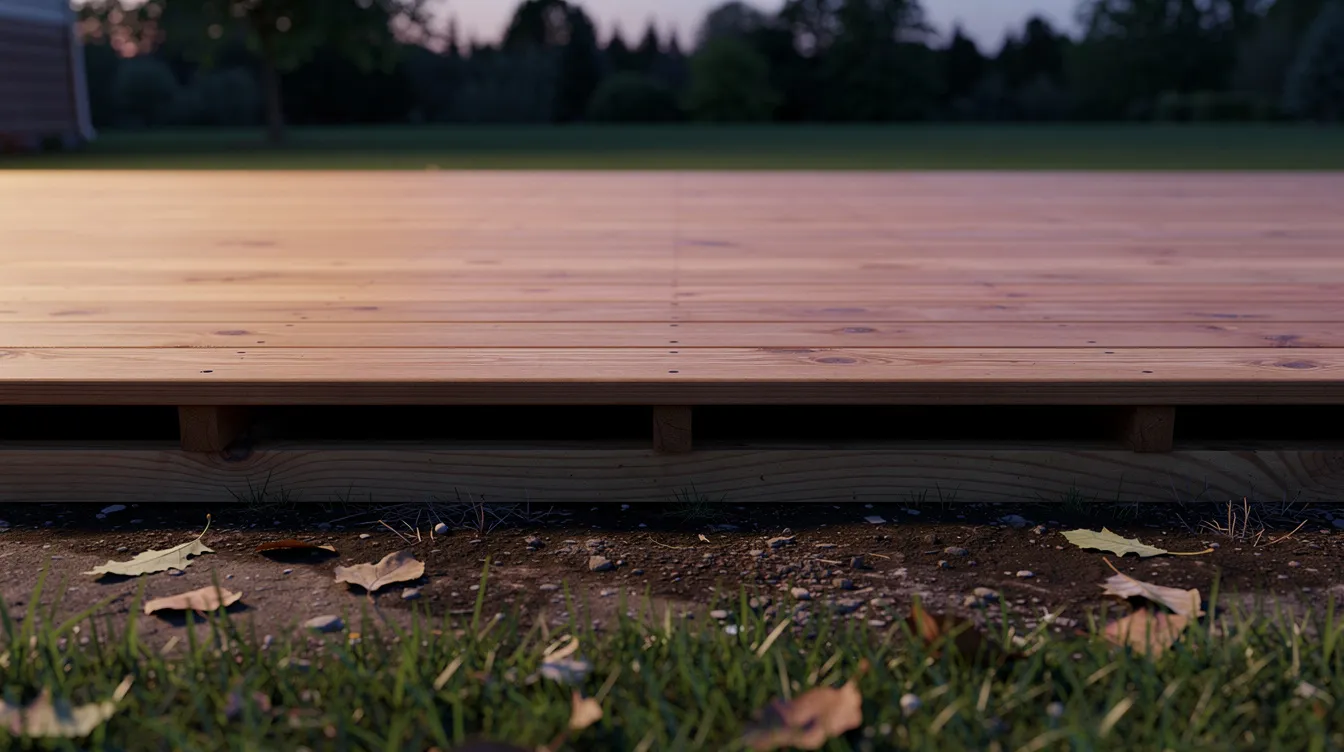
Skunks are poor climbers, so they favor ground-level habitat like deck footings, shed skids, concrete slabs, front porch gaps, and window wells over rooflines or attics
-
A structure that also shelters mice, insects, or other critters creates a self-sustaining food chain that further encourages denning
How to Tell if Skunks Are Living Under Your Deck or Shed
Confirming a skunk living situation requires attention to several concrete indicators, especially during July evenings:
-
Odor: Skunk odor is strong and oily, indicating their presence even before a direct spray event. The smell concentrates around deck boards, shed walls, or crawl space vents and grows noticeably stronger at night.
-
Entry gaps: Look for openings 3–4 inches wide along foundations, with worn, compacted soil at the den entrance showing repeated animal traffic. Skunks dig small holes several inches wide near structures to widen access.
-
Lawn damage: Skunks can dig small holes in lawns searching for food, leaving distinctive cone-shaped holes where they have unearthed grubs. You may also find shallow divots across garden beds.
-
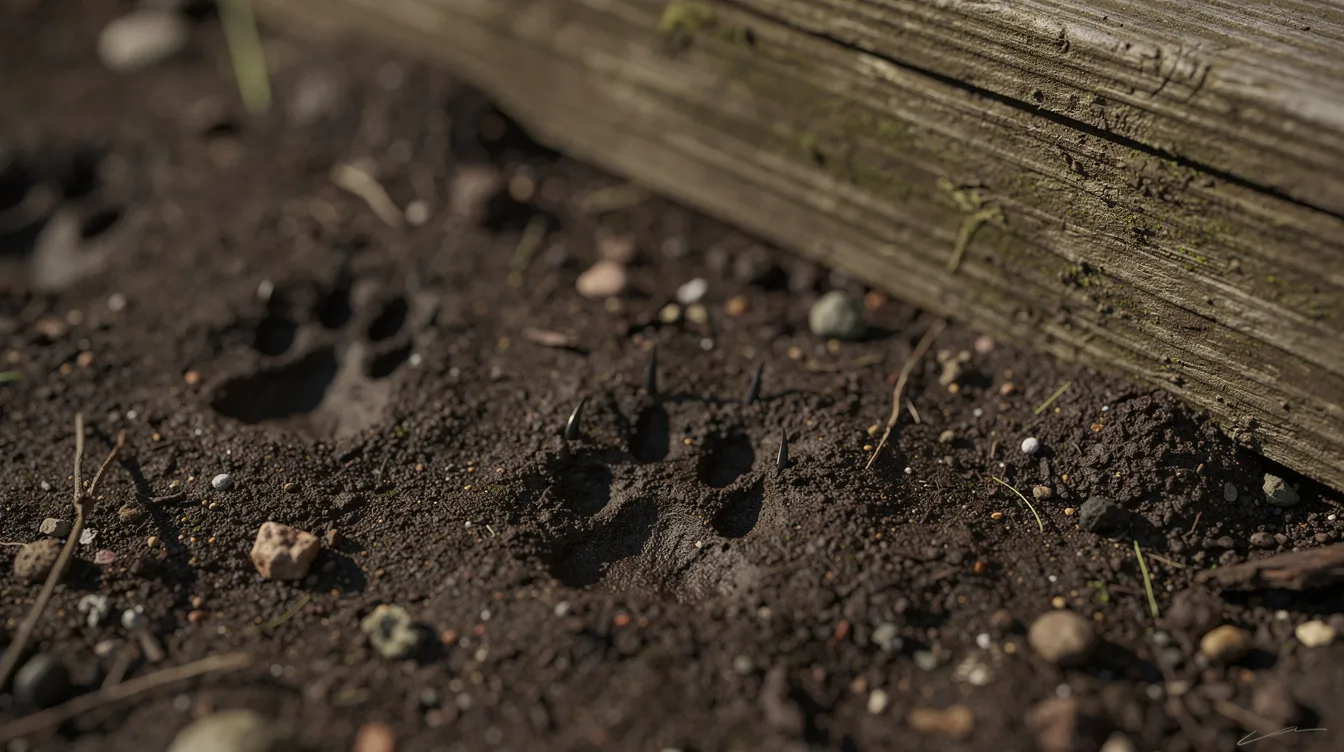
Tracks: Skunk tracks resemble tiny human handprints with long claw marks, visible in mud or soft soil along the foundation.
-
Sounds: Scratching or rustling noises at night indicate skunk activity. In July, you may also hear squeaking or chirping from baby skunks interacting with the mother inside the den.
What July Means for Baby Skunks and Mother Skunks
July falls squarely within baby season for striped skunks. Most litters are born in May, which means that by July, kits are approximately 6–8 weeks old-mobile but still fully dependent. Mother skunks raise 4–6 babies in dens, and the entire family returns to the den site each day for rest and protection.
-
In July, skunk kits grow rapidly and begin foraging with their mother on short nocturnal trips around the yard
-
Mother skunks may be seen foraging during the day if they have young kits, as caloric demands increase substantially
-
A family den holding a mother plus several young dramatically increases overall activity, digging, noise, and the probability of encounters with your dog or outdoor cat
-
Skunk babies become independent by the end of summer, but until then, separating mother from young can leave babies trapped beneath the structure, leading to carcass decomposition, fly infestations, and biohazard sanitation concerns
Risks of Ignoring a Skunk Problem in Mid‑Summer
Allowing skunks to remain undisturbed under a deck or shed through July and August compounds several categories of risk:
-
Odor infiltration: Skunk spray contains thiol, causing strong odors and irritation. Musk can drift through open windows, AC intakes, or crawl space vents, embedding in carpets, insulation, and porous surfaces inside the house.
-
Structural damage: Repeated digging for food and den expansion can undermine deck posts, shed skids, and patio slabs. Repair costs can escalate into thousands of dollars if foundation settling occurs.
-
Disease and parasites: Skunks can carry rabies, a serious viral disease-they account for roughly 17–20% of reported wildlife rabies cases nationally. Skunks can transmit fleas, ticks, and parasites to pets, and skunk spray can cause serious health problems for pets including eye irritation and temporary blindness.
-
Den reuse: A comfortable, undisturbed den site in July often becomes the preferred habitat that multiple skunks-and sometimes raccoons or other critters-reuse in subsequent seasons unless properly excluded.
Why DIY Skunk Removal Is Especially Risky in July
Midsummer eviction attempts by homeowners frequently backfire because the presence of dependent young changes every calculation. Skunks generally prefer flight over fight and will use spraying as a last resort, but under a low deck with limited escape routes, a startled animal has nowhere to flee.
-
Blocking a skunk den entrance can orphan the young and cause them to die beneath the structure, producing intense decomposition odor amplified by July heat
-
Home remedies like moth balls, ammonia-soaked rags, apple cider vinegar, or bright lights under decks may annoy adults into temporarily shifting to a new den, but rarely rid the space of an entire family
-
Some homeowners poke holes in the ground near dens or attempt to scare skunks with predator’s urine or human voices from a talk radio station played on short periods-these tactics occasionally nudge adults but consistently leave babies behind
-
Attempting to trap or physically relocate skunks without permits violates wildlife regulations in many jurisdictions, and improper handling means you or your pets risk being sprayed at close range
How Skunk Removal Typically Works in July
Licensed wildlife professionals follow a staged process specifically designed for July’s baby season:
-
Thorough inspection: Technicians check all entry points around the deck, shed, porch, and adjacent structures, confirming species and determining whether baby skunks or a mother skunk are present in the den. Motion-sensor cameras may be deployed.
-
One way door installation: A one way door is placed at the main entrance so adult skunks can exit at night-when they are most active, especially in summer-but cannot return. All secondary gaps are sealed with heavy-gauge screening.
-
Baby retrieval and reunion: If baby skunks are located in shallow voids, technicians may hand-retrieve them, place them in insulated reunion boxes near the exit, and monitor until the mother relocates them to a new den.
-
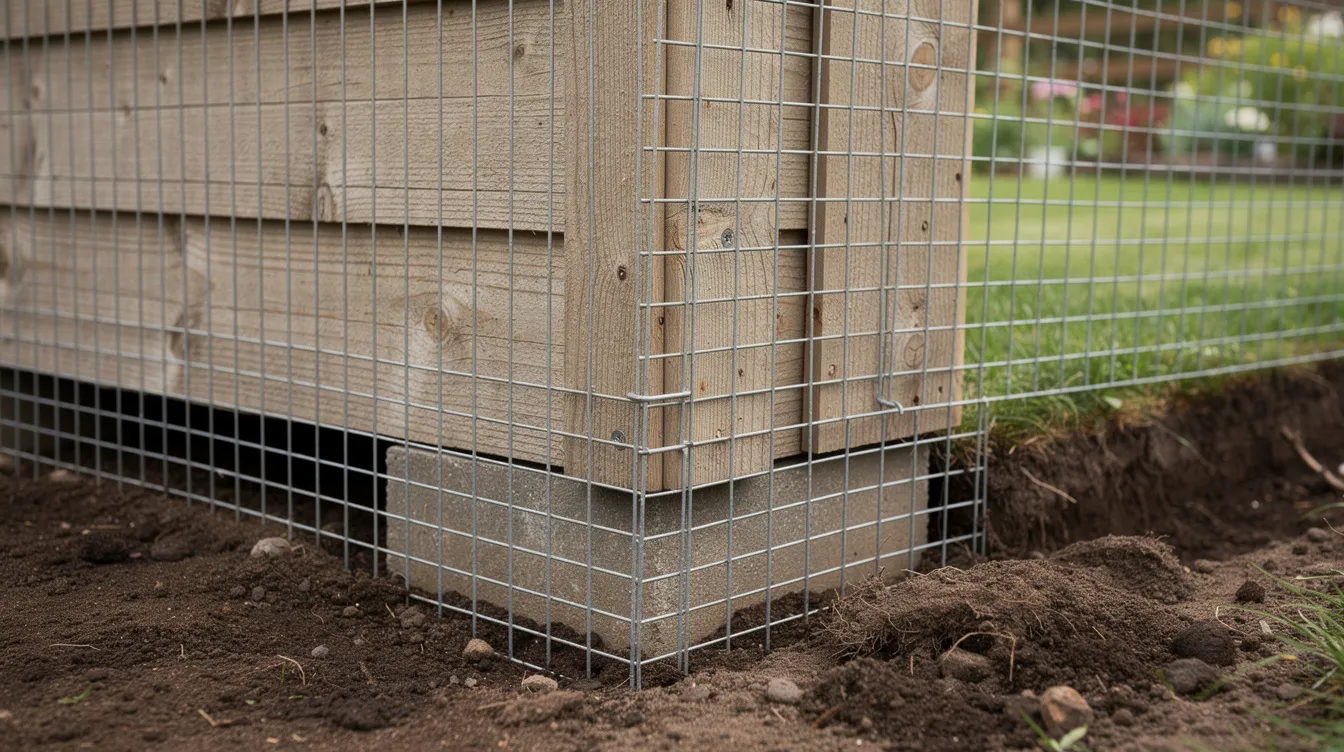
Permanent exclusion and sanitation: Once the entire family has vacated, professionals seal and reinforce all access points with ¼-inch wire mesh or welded hardware cloth. If skunk spray or droppings have contaminated the space, biohazard sanitation-including insulation replacement-may be recommended.
Immediate Safety Steps if You Discover Skunks Under a Deck or Shed
Before any removal work begins, these practical steps reduce risk to your household:
-
Keep pets leashed and supervised at dawn and dusk when nocturnal skunks are returning to or leaving the den-a curious dog is the most common spray victim
-
Avoid loud banging on the deck, mowing directly next to the entrance at night, or blocking the hole until a structured plan is in place
-
Document signs with photos or video-tracks, entry points, nighttime sightings-to help a professional confirm the extent of the skunk problem during their initial visit
-
If anyone or any pet is sprayed, keep them outside while treating the odor with a specialized neutralizing solution to avoid bringing the smell into the house; plain water alone can worsen it
Long‑Term Ways to Prevent Skunks From Returning
Once the animals are gone, prevention is the priority. Persistent, musky odors and small holes near foundations may indicate skunk activity returning in future seasons if access remains open.
-
Trench-and-screen barriers: Dig a 12”x12” trench around structures and install galvanized hardware cloth or ¼” wire mesh in an L-shape, buried 8–12 inches deep. A trench with wire mesh can prevent skunks from digging back under the deck or shed. Cover openings with wire mesh to prevent skunk dens from re-establishing.
-
Gap closure: Seal small holes at concrete steps, shed skids, utility line penetrations, and fences with heavy-duty screening or masonry. Address window wells with secure covers.
-
Food source management: Remove food sources like garbage and birdseed to deter skunks. Feed pets indoors, clean up fallen fruit from the garden, and treat lawns for grubs when appropriate to eliminate what attract skunks to your yard.
-
Ongoing monitoring: Install motion-sensor lights to deter skunks from the yard, and use cameras in early spring to catch new skunk activity before baby season peaks. Proper drainage and a clear perimeter can deter skunk denning around structures long term.
Understanding and Managing Skunk Spray Around Your Home
Skunk spray is a sulphur-based oil produced by perianal glands, and it clings aggressively to porous surfaces. It is most likely released when a skunk feels cornered under a structure with no escape route-a common scenario under low decks during July evenings when both animals and humans are active in the yard.
-
Plain water alone can sometimes spread the oily compounds and worsen the odor; specialized enzymatic neutralizers work far more effectively on patios, siding, decking, and pets
-
Severe spray events under a deck or into a crawl space may require professional odor removal and mechanical ventilation to protect indoor air quality throughout the house
-
The best strategy is preventing close encounters in the first place-supervise pets, use light and sound deterrents at the perimeter, and respect the den space until exclusion is complete
FAQ
Is July too late in the season to safely remove skunks under my deck or shed?
July is still baby season in many regions, but humane skunk removal remains entirely possible with professional assistance. A licensed technician will time and stage the exclusion so the family can leave together, using one way door systems and reunion protocols that minimize the risk of trapped animals and lingering odor beneath the structure.
Will the skunks leave on their own if I just wait until fall?
Many skunk families do shift dens as seasons change, but a successful July den site under a deck or shed is highly likely to be reused-by the same family or new arrivals. Waiting allows more structural damage to accumulate, and even if the skunks eventually leave, the access point must still be sealed to prevent skunks and other critters from moving in next season.
Can I use moth balls, ammonia, or loud music to drive skunks out in July?
While strong odors from ammonia rags and disturbance from a talk radio station broadcasting human voices may push adult skunks to shift temporarily, these methods are unreliable for removing an entire family. They frequently leave babies behind, can create legal or safety concerns, and should not replace a structured eviction and exclusion plan guided by a wildlife professional.
How dangerous are skunks to my dog or outdoor cat in midsummer?
The primary immediate risk is skunk spray to the face, which can cause eye irritation, nausea, and short-term distress for pets. There is also a small but serious rabies risk-skunks remain one of the top wildlife rabies reservoirs in North America. Any bite or suspicious contact with a skunk in July should be discussed with a veterinarian promptly.
What if I smell a strong, persistent odor but no longer see skunks?
A constant strong odor under a deck or shed in July could indicate a trapped or deceased skunk beneath the structure, not just residual spray. Contact a professional to perform a thorough inspection, remove any carcass, and execute appropriate sanitation and exclusion so the skunk problem does not recur with the next generation of animals seeking shelter on your property.
Heard something last night?
Call us now — same-day inspections available in most areas.